Tuesday, April 12, 2016

Right Hand Vs. Left Hand: Who’s Healthier?

    Now, here’s a tricky question. Do you suppose your health is related to your natural handedness tendencies? This is a question that has actually been studied and reviewed by member of the medical field, and to the best of their ability, there is no conclusive evidence that your natural handedness tendencies has anything to do with your state of health, or your disposition to any particular state of health.

    Our overall state of health is dependent upon several factors: our diet, our exercise, our work habits, and our genetics. The first three contributors cross all natural tendency of handedness lines, and we find we have all forms of handedness in all sort of occupations, with all sorts of eating habits, and exercise habits. When you talk about our genetic disposition, you really have to understand that as a person, we received input from two parents: a mother and a father. While it is true that we normally take many of our traits from our parents, our natural tendency for handedness can come from as far back as a great-grandparent.

    Our health is the culmination of inherited possibilities, and daily consistencies. We might inherit the potential for heart disease, but if we live a life of good eating habits, good exercise habits, and attend to nutritional and rest requirements; we can often overcome the inherited potential. We can glean some information from what has been learned about natural handedness tendencies to make some assumptions about a person’s personality traits that might contribute to the overall health of the individual, but nothing that can be tied directly to the “handedness” of the individual.

    First of all, there is only about 10% of the population that is left-handed. Now, if you’re trying to conduct research, on any topic, you need a more even distribution of subject matter. If 90% of our population is right-handed, there is no way to get a proper perspective on comparative features.

    The explanations of right-handed versus left-handed are still very vague generalizations, and no one group has been able to successfully explain why we are one way or the other. Since we aren’t even able to agree on the reasons for the existence of a preference, how could we possibly study the health of one group versus the other, and come up with any usable information?

    What we can determine are some general characteristics of one versus the other, and draw “generalizations” from that information. Most often, left-handed people are less cautious than right-handed counterparts, leading us to assume that there are more health-risks for the less cautious. Second, there is the belief that left-handed people are more creative, more extroverted than right-handers; this would lead us to assume that again, left-handed people are more exposed to opportunities for ill-health or accidents.
In all of this generalization however, there is this fact: there are more left-handed women than men, and women tend to live longer than men. This evidence simply throws all other generalizations into a quandary. Does our handedness affect our health, I think not.

Monday, April 11, 2016

Quiet Reflection: Shot for the Spirit?

    Modern alternative medicine and holistic healers believe in the power of the energy that flows through our bodies; this energy radiates from our mind as well.  It is believed to be the chief from of transportation for our body’s nervous system to carry out communication.  Breathing techniques, music, aromas, and candle therapy are all ways we utilize the opportunities to reflect on our day, allow our mind to rest and replenish itself for further use.  The great benefit in meditation, however, is the mind’s ability to transform itself into a vehicle for higher awareness.  Meditation is a way for us to become aware of the fact that there is more to our being than just our physical activity.  We have so much more potential locked away in our mind, resources that we never tap into until we have the chance to quiet the mind, quiet our surroundings and open the door to the possibilities we don’t examine on a day to day basis.

    Our spirit is the real benefactor in these moments of quiet reflection and meditation.  Everyday, time after time, our spirit would soar if given the opportunity.  But quite often, the opportunity is stolen thanks to the ever pressing issues of job responsibilities, children, and household responsibilities.   Our spirit is generally all used up by the end of the day.

    In our meditative state, thoughts that never have the opportunity to be heard during the bustle of the day are afforded the opportunity to come forward and be heard.  Every step that we take is a step in some direction for our life.  The opportunity to set our own destiny, develop our manifestation of what we believe our life should be, is the opportunity meditation provides.  Every action we’ve ever taken started as a thought.  The thought was then brought into reality by our action on that thought. So are we able to produce new thoughts and new possibilities, in this time of quiet reflection.

    It is in these small moments of creativity and higher conscious operation that our mind heals itself from the stresses of the everyday activities, and maintains a real level of healthy operation.  Our spirit has the opportunity to renew.  Revive.  Like the dying patient that receives the administration of CPR in the final hour, our spirit receives the moments of solitude that allow it to regroup, regain that wonderful faith in ourselves and mankind. Our mind is like our body, we don’t have to look unhealthy to be unhealthy, and sooner or later, the illnesses show, unless we’re given the opportunity for rebirth of our basic beliefs.  This is how we provide the nourishment needed for our spirit to remain healthy.
   
    Some people choose to accommodate this through community worship, some people through moments of quiet solitude in nature.  Still others choose renewal through silent meditation and prayer.  No matter our choice of activity the important accomplishment lays in the renewal of our spirituality and our belief in mankind.

Sunday, April 10, 2016

Obesity in Adolescents

    You see it everyday, news and information that bring to the front our problem with our weight. It is a national problem. It’s not just your older sedentary population; it’s not just your overworked middle-age population; and it’s not just your nerdy teenage population. It is a national epidemic.
   
    The first question I always have, is how did we get here? How did we go from one of the most physically fit nations, to just wallowing in our weight?
   
    Over the last thirty years, food nutritionists and the food industry as a whole have embraced the idea of lowering our fat intake. This was a direct result of the information published by the government that encouraged less egg consumption because of the cholesterol found in eggs. After that particular piece of information, doctors began to discover that when we consume fat, we have higher incidences of cholesterol problems. The logical conclusion: fat must be bad for you. And so, an entire generation as grown up with fat-free foods. A whole generation grew up believing that fat was what made us fat, clogged our arteries, and generally caused ill-health.

    So what did we do? We turned to carbs to make up for the loss in taste of food that had the fat removed; for you see, fat is what gives many of our foods their delicious taste. When you remove the fat, the taste must be artificially injected into the food. The end result is a food that is higher in carbohydrate content, but lower in fat. Hence, all the wonderful labels displaying the claim of “fat free” but neglect to mention the higher level of carbohydrates. Lowered fat should have created a population of slim, trim, healthy people. Right?
    We could not have been further from the truth. As it turns out, fat is a necessary part of our metabolic processes. We need the fat in order to properly utilize many of the vitamins and nutrients we consume. When did we make this discovery? Probably some thirty years too late for some people.

    Now, we have an entire generation of young people, who have because of their high carbohydrate food choices, become a nation of obese adults. Never before has a nation recorded the kind of obesity problems this nation is facing now. Never before have we ever had so much, to have so little. These young people are experiencing low self-esteem, weight related health problems, and whole host of emotional problems, thanks to obesity issue. How can we try to help them correct this problem?

    According to the guides published by the USDA, calorie needs vary from one age group to another, one gender to another. So how do you determine what your individual needs are? You can setup a journal for recording your daily caloric intake for about a month. Make a note of your weight each day. If you don’t gain any weight during the course of that month, you’re eating your recommended calorie level in order to maintain your weight. Now, take that calorie information, use the food pyramid and comprise a combination of foods that will help you achieve this recommended daily intake, and still be enough to be filling and please the palette. You now have an individualized healthy eating plan. This is the safe sure way to reach weight loss goals. It didn’t become a problem overnight, and it won’t go away overnight.

Saturday, April 9, 2016

Music: Our Connection to the Higher Conscious

    Today, more and more seniors are watching their diet and implementing exercise programs in an effort to remain more healthful, manage stress, and participate in a lifestyle that is rewarding and enjoyable. Many are aware of the benefits of diet and exercise in helping to keep our bodies and minds operating a peak levels of performance, but what is not known is the role music can play in helping older citizens (and I believe younger ones, too) to manage stress, become a part of an enjoyable learning experience, and acquire a new tool in their efforts to stay healthy.

    What many people don’t realize is the role music could play in their life, throughout the course of their life. Music is our connection between the everyday spoken word, and the power of our spirituality. Music operates on sound waves that fall in the range between vocal sounds, or our voice, and spiritual prayer, or meditative brain wave lengths. What does all that say? It is a link, an avenue to connect with our higher conscious on a moment to moment basis, to relive stress, comfort us, or simply lift our spirit.

    Professors and other leaders of the education environment have long known the benefits of musical talent. Learning to make music and play musical instruments increases our mathematical and scientific analysis abilities. In the course of the learning process, the musical notations and reading of musical notes, works within the vastness of our brain to stimulate the processes associated with working mathematical problems, solving analytical problems, and excelling in the sciences.

    What have we learned from watching our young people, as they learn to perform and play musical instruments? There is a direct association with the hopeful mindset of youth, and the pouring out of musical creation. Both the young mind and the musical note bring about joy and hope, in an untainted, unlearned environment. The young mind is oblivious to the constraints of life that the middle-aged person has learned well, and the musical note serves as a constant invitation to belief in the impossible.

    What have studies revealed about the power of music? In studies performed on older citizens, the effect of learning to play music, and participate in music performances, lowered stress and anxiety levels, feelings of isolation and loneliness decreased, and here’s the real surprise, participants actually showed increases in the production of the human growth hormone. The human growth hormone positively affects aging phenomena such as energy levels, wrinkling, osteoporosis, sexual function, muscle mass and general aches and pains.

    What important information does this impart to health practitioners? It brings to the forefront the need for increased exposure to group activity and social interaction. The benefit of learning musical instruments and enjoyment of the music they generate only sees its true potential when applied in a group setting, where laughter, music and fellowship can take place. Studies of this nature serve to reinforce the long-held belief that music is a way to connect with our higher selves, our peers, and to bring about increased enjoyment of our lives.

Friday, April 8, 2016

Is Your Mind Playing Tricks?

    Over the course of our life, our senses and our environment come together to enrich our mind, and to sometimes overwhelm our mind. Much of the knowledge we acquire comes to us through our senses. As children, we use the senses daily to absorb as much as possible. The mind is a voraciously hungry, empty den when we are young.

    As we age, we depend greatly upon our senses to inform us about the world around us; hot, cold, sweet, sour, bitter, loud, soft, so many of our perceptions and actions begin with input from our five senses. There is another sense that isn’t given much attention, thanks to the fact that it is centered within our body, not on the outside. But, if used properly, provides us with as much valuable information as the sense of smell, taste, touch, sight, and hearing.

    Our intuition is our sixth sense. It refers to the ability to tune into the unseen world of sensing. All the other senses require a physical origin of input; our intuition does not. It requires not physical presence of an object in order for us to obtain information about the object. Thanks to the fact that we live in a materialistic world, and that most of our knowledge is dominated by the western traditions and beliefs, our ability to use our intuition is a lost art.

    The eastern cultures have long used the sense of intuition and the flow of the body’s natural energies to utilize the intuitive information available. The western civilizations are slow to realize the role our intuition can play in our overall health, just because it is not a “seen” source of input.

    Often, our mind can seemingly play tricks on our sensory perceptions, when we fail to utilize all aspects of the six senses, we often miss some piece of the puzzle, and what seems to be complete and correct, if often lacking.

    There are at times physical conditions that cause our senses to operate incorrectly, and we don’t process the information correctly. This happens when we are functioning at less than optimum levels. Often this occurs during times of sickness, extreme fatigue, or due to a lack of sleep. It is at this point, that we believe our mind to play tricks on us. We believe we are receiving certain input, and in all actuality, we are not.

    This is why keeping our bodies well, fit, and healthy keeps us in a reception mode to accurately process input from the outside world. It is through this accurate perception of intake that we are able to deal effectively with the world around us. All this culminates to come to this statement: in order to keep ourselves healthy and well, we must be able to accurately process input from the world around us. It is when we lose perspective, and don’t accurately “see” things as they really are that we are more likely to experience feelings of ill-health, mental unrest, and this can lead to actually becoming ill.

Our overall wellness depends upon our ability to not only cope with our selves, but to perceive reality as it really is.

Thursday, April 7, 2016

The Mind, Body and Soul Interconnectivity

    The practice of chiropractic care focuses on the relationship between your spine and your nervous system. The spine is the structure, and the nervous system is the function. Chiropractic believes these two systems work in unison to keep and then restore your body’s health. The word “chiropractic” is taken from Greek, and means “done by hand”. This is exactly how chiropractic care works. The chiropractor uses his or her hands to manipulate your body, and help it to heal itself. It is the branch of the health sciences which focuses on the neuromusculoskeletal system. That’s a very big word to simply say how your spine and nervous system work together. The spine is the highway for your central nervous system; if the highway is blocked or traffic is jammed, they are usually able healers. Many cultures, the Egyptians, the Greeks, the Chinese, and even the Africans have used some form of chiropractic care for hundreds of years.

    Modern alternative medicine and holistic healers believe in the power of the energy that flows through our bodies; this energy radiates from our mind as well. It is believed to be the chief from of transportation for our body’s nervous system to carry out communication.

    Acupuncture is one of the key components of Traditional Chinese Medicine (TCM), and operates on the premise that the body is divided into two opposing and inseparable forces, the yin and yang. Yin represents the cold, slow, or passive principle, and yang represents the hot, excited or active principle. According to TCM health is achieved by maintaining a balance state of the yin and yang. This is done through the vital pathways or meridians that allow for the flow of qi, or vital energy. The vital energy flow occurs along pathways known as meridians. These meridians connect over 2,000 acupuncture points along the body. There are 12 main meridians, and 8 secondary meridians. Although traditional western medicine does not completely understand how acupuncture works, the proof that it does work has been shown in several studies conducted by western medical facilities

    Finally, in the last few years, traditional western medicine has come to accept the role that your mind, body and soul have in keeping each other healthy, during daily processes, or recovering from surgery. Almost every form of healing accepts and incorporates the fact that our bodies have a “vital energy force” that flows through, from top to bottom. This “life force” as some refer to the energy, helps to keep us connected, mind, body, and soul. To come to the understanding, as modern medicine finally has, that there are certain aspects of our health that we cannot place neatly in a physical process, has been a difficult revelation for believers of the purely scientific approaches to healing and medicine.

    It’s impossible to separate the mind from the body, or the body from the soul. Their interconnectivity is the basis for our life’s meaning and existence. It is because of this connection, that we are able to heal ourselves in the beginning.

Wednesday, April 6, 2016

Metabolism for The Fit Individual

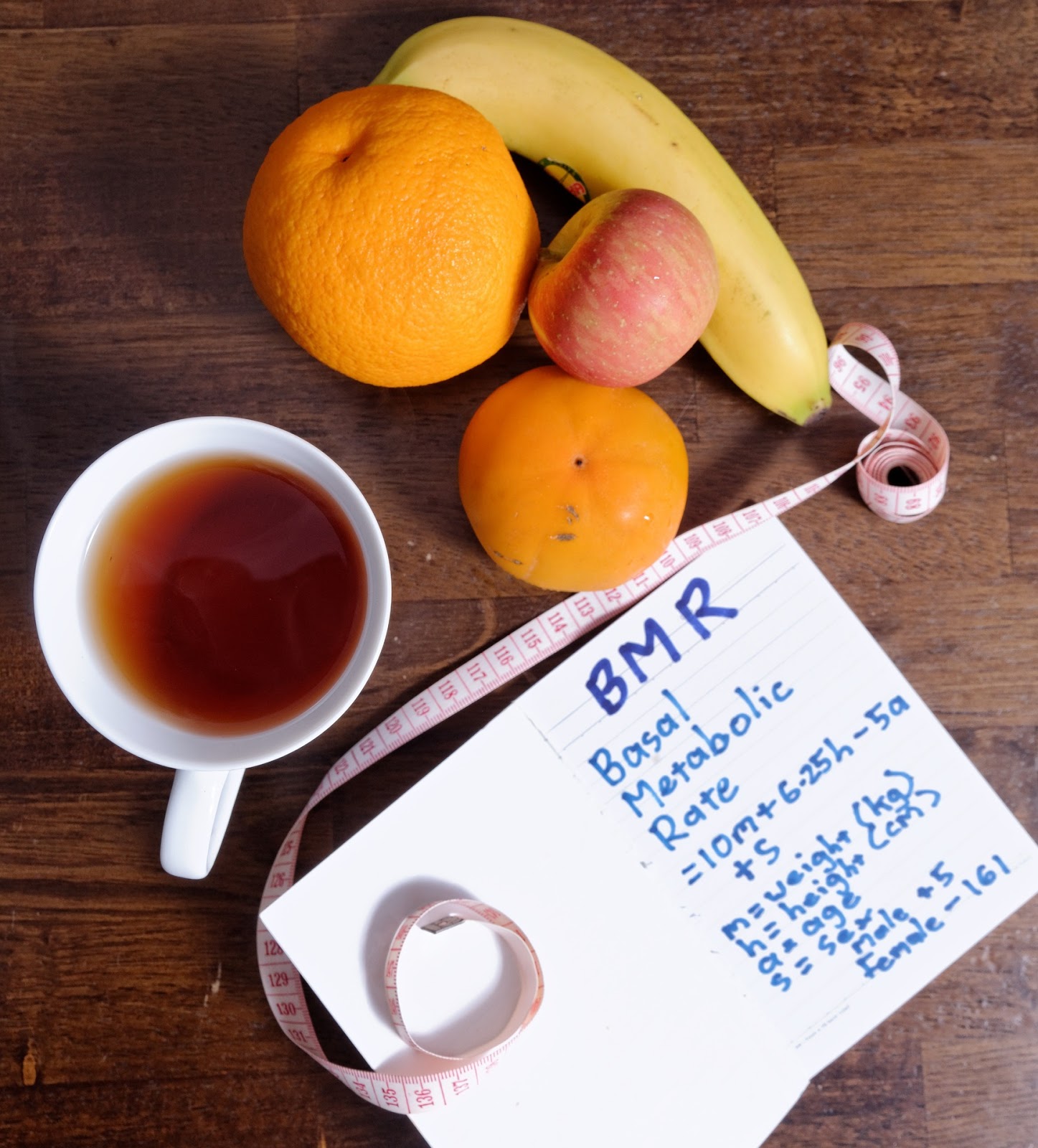
    The dictionary defines metabolism as the sum of all biochemical processes involved in life, or the sustaining of life. In application concerning our health, metabolism is related to the intake and use of food. In reference to the case in point it is our ability to utilize our food to the fullest extent.

    Right now, the greatest results in raising our metabolism come from exercise and building our muscle mass, while reducing our body fat. Adding more muscle to the body, in turn causes us to burn more calories, and this helps to elevate our metabolic rate.

    Our metabolism functions also depend on how well we have taken care of our nutritional needs. Some people have really high rates of metabolism. In other words, when they consume food, their bodies burn it up almost as fast as then consume it. Then there are those of use who use our food intake so slowly, as to not even notice that we’re burning calories. These people who burn quickly are often slim and trim, the people who burn more slowly are the people with a tendency toward obesity.

    The body’s metabolism is a unique process for each individual person. No two people metabolize food at the same rate therefore no two people have the metabolism. We all use our calories at different rates, with different results. Our metabolism, like our fingerprints is unique to each of us. But the need to understand and accommodate this metabolism is an issue that we all face.

    All of this metabolic process is related to our calorie intake, our vitamin and nutrition needs, our thyroid and endocrine production, and how well all of these processes come together. For years, people have sought ways to raise the metabolic rate. If you can raise someone’s metabolic rate, you are then better able to control the burn of calories, especially for overweight or obese people. This would make the goal of better or improved health a much easier reality for those people. Efforts to date have produced very little results. There are foods that we can consume that naturally raise our metabolic rate, but not to a great extent. What we need is a way to directly alter the rate. We need to be able to raise our metabolism to a point where we can actually see a benefit.

    This is where the effort to stay physically fit and active provides tremendous payoff. Over the course of your life, if you stay active, exercise, and maintain optimal health for your muscles, you will see a tremendous difference in the rate that your body metabolizes food. As people age, their metabolism quite naturally slows down. The greatest way to prevent this from happening is through exercise and staying fit.

    I believe through careful analysis, exercise, and attention to each person’s unique needs, we could bring about a more natural balance of the metabolic burn vs. the calorie intake. To a level where optimal health and weight control are in equilibrium.